Understanding Louisiana's Window Tint Laws: What You Need to Know

Window tinting is a popular way to enhance the look and feel of your vehicle while providing privacy and protection from the sun. However, in Louisiana, specific laws regulate how dark or reflective your window tint can be. Understanding these laws is crucial to avoid fines and ensure your vehicle remains street-legal.
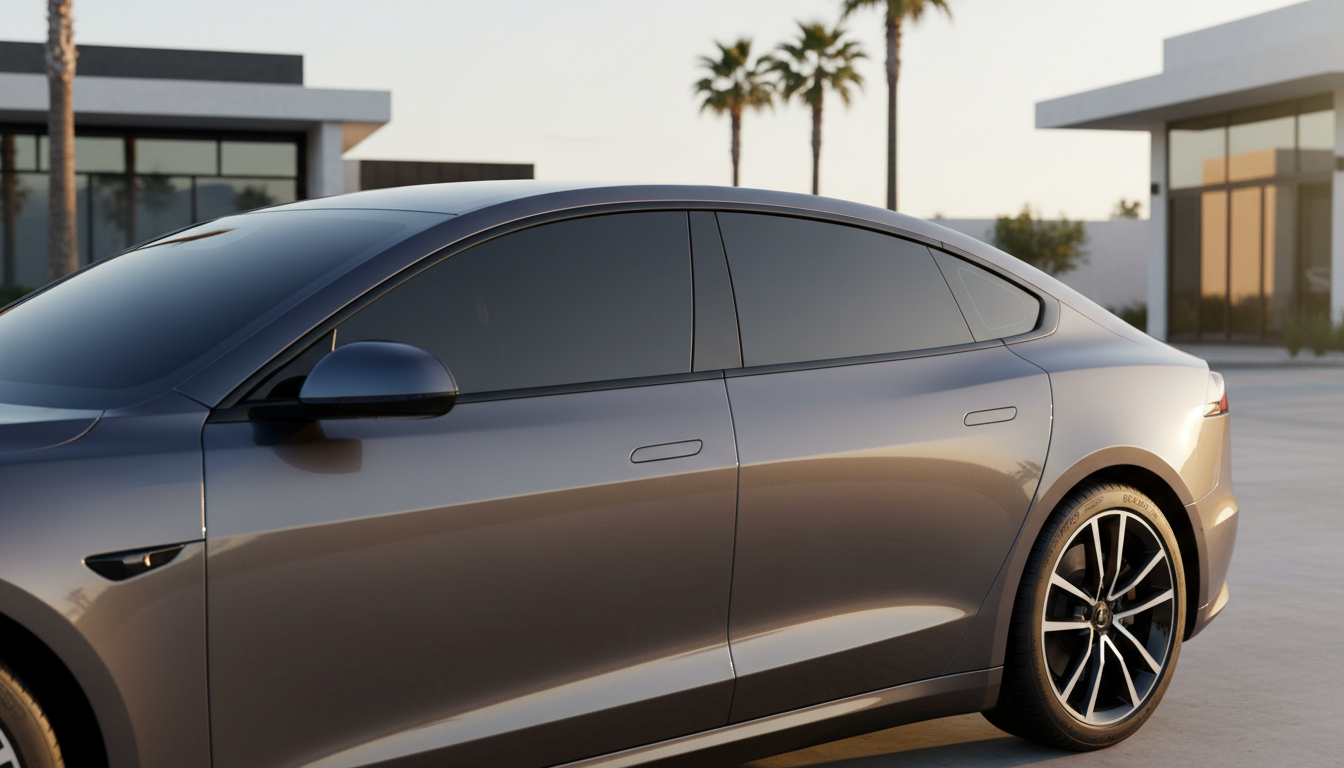
What is Window Tinting?
Window tinting involves applying a thin laminate film to a vehicle's glass to darken it. This can help reduce glare, block UV rays, and maintain a cooler interior temperature. While these benefits are appealing, it’s important to adhere to state laws regarding tint levels.
Why Are There Tint Laws?
The primary reasons for window tint laws are safety and law enforcement visibility. Dark tints can impede the driver's view, increasing the risk of accidents. Additionally, they can prevent law enforcement from seeing inside the vehicle, which can be a safety concern during traffic stops.
Legal Tint Percentages in Louisiana
In Louisiana, the law specifies the maximum allowable tint darkness for different types of vehicles. The visible light transmission (VLT) percentage indicates how much light can pass through the window film and glass:
- Sedans: Front side windows must allow more than 40% of light in, back side windows must allow more than 25%, and the rear window must also allow more than 12%.
- SUVs and Vans: Front side windows must allow more than 40% of light in, while the back side and rear windows can be any darkness.

Reflective Tints and Additional Regulations
In addition to darkness, Louisiana also regulates the reflectiveness of window tints. Reflective tints can reduce glare but must not be overly reflective. For both sedans and SUVs, the front and back side windows cannot be more than 20% reflective.
Moreover, Louisiana law requires dual side mirrors if the rear window is tinted. This ensures that drivers have adequate visibility even if the rear window is dark.
Penalties for Non-Compliance
Non-compliance with Louisiana's window tint laws can result in fines and the requirement to remove or replace the illegal tint. It is essential to consult with a professional tinting service to ensure your vehicle meets the legal standards.

Exemptions to the Law
Some exceptions exist for medical reasons. Individuals with certain medical conditions that require protection from sunlight may apply for an exemption. A physician or optometrist must provide documentation to support the application.
To apply for a medical exemption, you must contact the Louisiana Department of Public Safety with the necessary paperwork. Approved exemptions allow for darker tints than typically permitted by law.
Conclusion
Understanding Louisiana's window tint laws is vital for vehicle owners who want to enjoy the benefits of tinted windows without facing legal issues. Always ensure that your tint complies with state regulations and consult professionals for advice and installation. By doing so, you can enjoy a safer, more comfortable driving experience.