Top Myths About Car Window Tinting Debunked

Introduction
Car window tinting is a popular modification that many vehicle owners consider for various reasons, ranging from aesthetics to practicality. However, there are numerous myths surrounding this practice that can lead to confusion and misinformation. In this blog post, we'll debunk some of the most common myths about car window tinting to help you make an informed decision.
Myth 1: Tinted Windows Are Only for Aesthetic Purposes
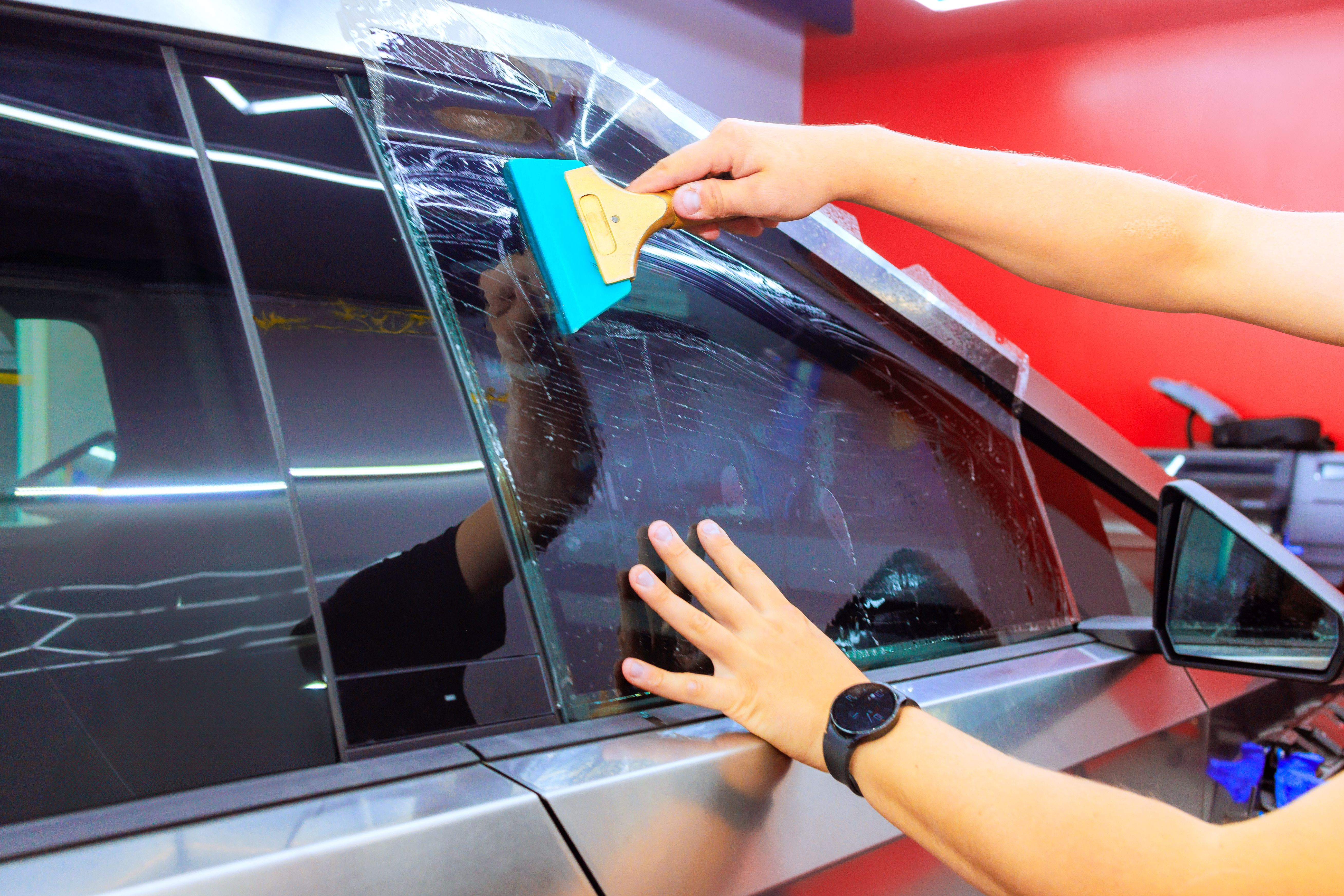
One of the most prevalent myths is that tinted windows are solely for enhancing the look of a car. While it's true that window tinting can give your vehicle a sleek appearance, it also offers several practical benefits. Tinted windows can significantly reduce glare from sunlight and headlights, providing a safer driving experience. They also help in maintaining a cooler interior by blocking a substantial amount of solar heat.
Additional Benefits
Beyond aesthetics, window tinting can protect your car's interior from fading and cracking by blocking harmful UV rays. This protection extends to passengers, reducing their exposure to UV radiation during long drives. Additionally, window films can provide a degree of shatter resistance, adding an extra layer of safety in the event of an accident.

Myth 2: Window Tinting Is Illegal Everywhere
Another common misconception is that window tinting is outright illegal. In reality, the legality of window tinting varies by state and country, with specific regulations dictating the permissible levels of tint. Before tinting your car windows, it's crucial to check local laws to ensure compliance. Most jurisdictions allow a certain level of tint on specific windows, often with exemptions for medical needs.
Understanding Tint Levels
The level of tint is typically measured by Visible Light Transmission (VLT) percentage, indicating how much light the film allows through. A lower VLT percentage means darker tint. For example, a 30% VLT film allows 30% of light to pass through. Knowing the legal limits can help you choose the right tint that suits both your style and legal requirements.
Myth 3: Tinted Windows Are Difficult to Maintain
Many people believe that maintaining tinted windows is a cumbersome task, but this is far from the truth. Tinted windows require minimal maintenance and can be easily cleaned with the right products. It's advisable to use non-abrasive cleaners and soft cloths to avoid damaging the film.

Simple Maintenance Tips
To prolong the life of your window tints, avoid using ammonia-based cleaners as they can degrade the film over time. Regularly wiping down the windows with a mild soap solution and a microfiber cloth is usually sufficient to keep them looking pristine.
Myth 4: Window Tinting Is Expensive
Cost is often cited as a barrier to window tinting, but many people overestimate how much it will set them back. The cost of window tinting can vary depending on factors such as the type of film used and the size of your vehicle's windows. However, when you consider the long-term benefits such as energy savings from reduced air conditioning use and protection against interior damage, window tinting can be quite economical.
Choosing the Right Film
There are various types of films available, ranging from basic dyed films to advanced ceramic films that offer superior heat rejection and UV protection. Consulting with a professional installer can help you determine which option provides the best balance between cost and benefits for your specific needs.
Conclusion
By debunking these common myths, it's clear that car window tinting offers more than just aesthetic appeal. From enhancing safety to providing UV protection and privacy, tinted windows can be a valuable addition to any vehicle. Always ensure you're informed about local regulations and choose a reputable installer to achieve the best results for your car.