Paint Protection Film Installation in Louisiana: A Step-by-Step Guide

Whether you're a car enthusiast or simply want to preserve the pristine look of your vehicle, installing paint protection film (PPF) is a wise investment. In Louisiana, where the weather can be unpredictable and the roads can be challenging, PPF offers an extra layer of defense against scratches, chips, and environmental damage. This guide will walk you through the step-by-step process of installing PPF on your car.
Understanding Paint Protection Film
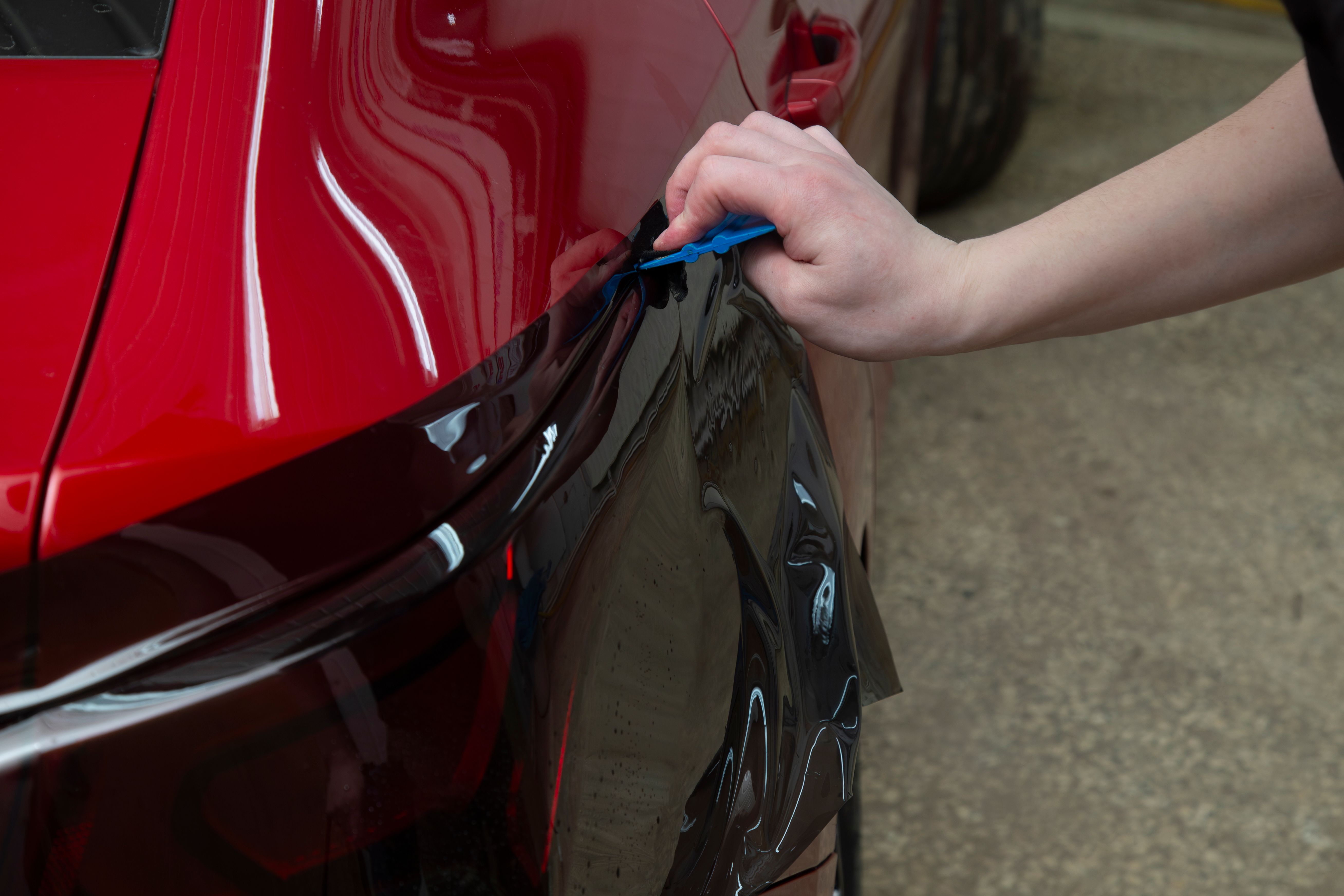
Paint protection film is a clear, durable urethane material that is applied to the exterior of a vehicle. This film acts as a shield, protecting the paint from road debris, bug splatter, and harsh weather conditions. In Louisiana, where heat and humidity are prevalent, PPF can also help in mitigating the effects of UV rays.
Before diving into the installation process, it's essential to know the types of PPF available. There are pre-cut kits designed for specific car models and bulk rolls that can be custom-cut to fit any vehicle. Choosing the right type depends on your skill level and the specific needs of your car.
Preparing for Installation
Preparation is crucial for a successful PPF installation. Start by thoroughly washing and drying your vehicle to remove any dirt and debris. It's important that the surface is spotless to ensure proper adhesion of the film. After cleaning, inspect your vehicle for any existing damage, as the film will not hide imperfections.
Gather all necessary tools and materials before you begin. You will need a squeegee, application solution, microfiber towels, and a cutting tool. If you're using a pre-cut kit, make sure all pieces are accounted for and ready to go.
Step-by-Step Installation Process
1. Applying the Solution
Start by spraying the application solution onto the area where the film will be applied. This step is crucial as it allows the film to be repositioned during installation. Ensure the surface is adequately wet to prevent the film from sticking prematurely.
2. Positioning the Film
Carefully peel the backing from the PPF and place it onto the wet surface. If you’re using a pre-cut kit, align the edges with the specific contours of your vehicle. For bulk rolls, you’ll need to trim the film to fit. Use a squeegee to gently press the film onto the surface, pushing out any air bubbles.

3. Trimming and Finalizing
Once the film is positioned correctly, use a sharp cutting tool to trim any excess film. Be cautious to avoid cutting into the paint. After trimming, go over the entire surface with a squeegee, ensuring the film adheres properly and all moisture is removed. Check for any remaining bubbles and work them out towards the edges.
Post-Installation Care
After installation, allow the film to cure for at least 24 to 48 hours. During this time, avoid washing your vehicle or exposing it to extreme weather conditions. Once cured, the PPF will provide long-lasting protection, keeping your vehicle looking new and vibrant.
Regular maintenance is essential to maximize the lifespan of your paint protection film. Avoid using abrasive cleaners or brushes on the film. Instead, use a mild soap and water solution, and always dry the surface with a microfiber towel.
Conclusion
Installing paint protection film in Louisiana is a smart move to safeguard your vehicle's exterior. By following this step-by-step guide, you can achieve a professional-looking installation that offers robust protection against the elements. Whether you choose to tackle this project yourself or hire a professional, PPF is a worthwhile investment in maintaining your vehicle's value and appearance.