How Window Tinting Can Improve Fuel Efficiency: A Deep Dive


Understanding Window Tinting
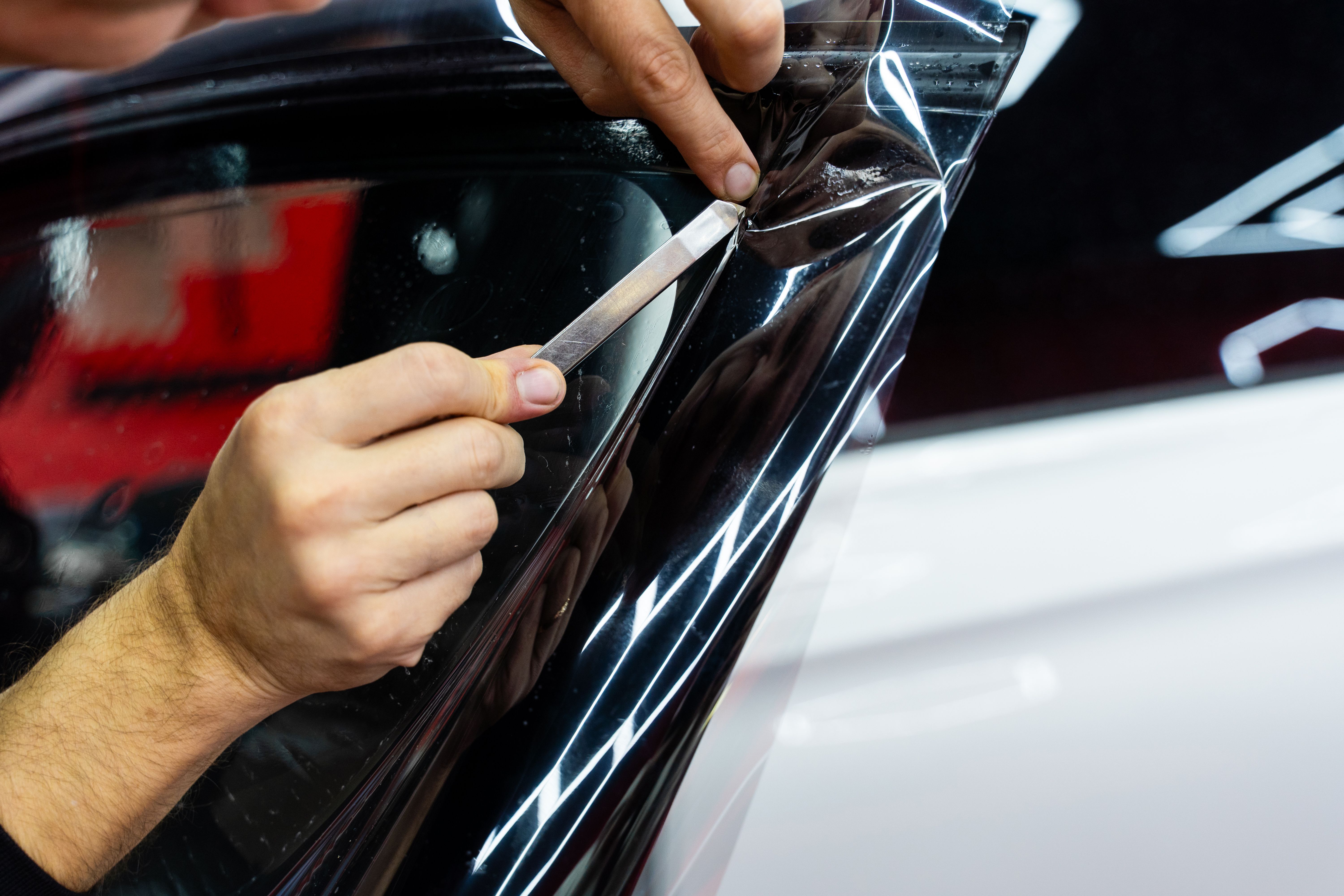
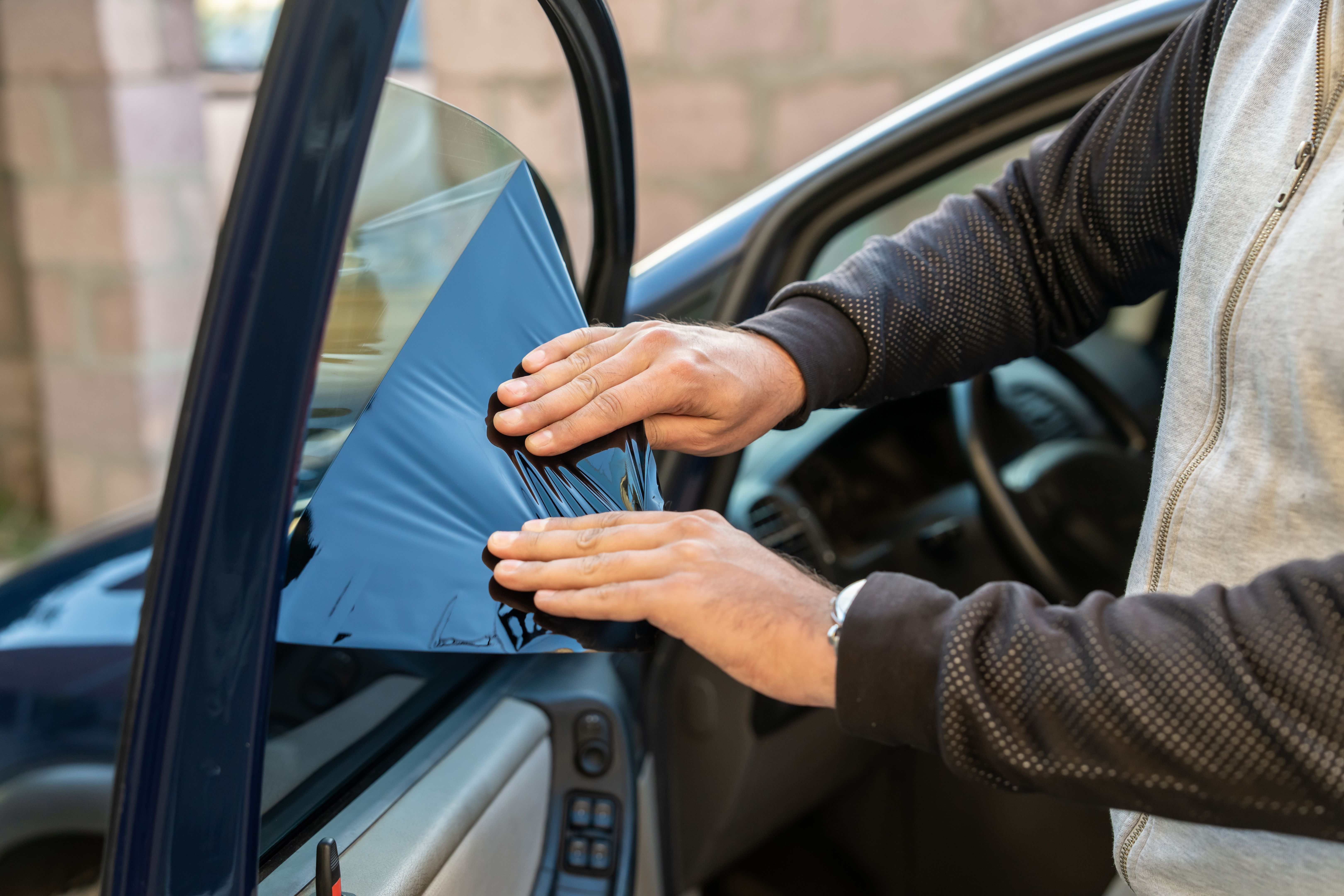
Window tinting involves applying a thin film to the interior or exterior of a vehicle's windows. This process is well-known for enhancing privacy and reducing glare, but it also offers several other benefits, including improved fuel efficiency. As drivers seek ways to cut costs at the pump, window tinting has become an attractive solution.
By reducing the amount of heat that enters a vehicle, window tinting minimizes the reliance on air conditioning, which in turn reduces fuel consumption. This simple yet effective modification can lead to considerable savings over time.
How Window Tinting Reduces Fuel Consumption
One of the primary ways window tinting improves fuel efficiency is by reducing the need for air conditioning. During hot weather, the interior of a vehicle can become unbearably warm, prompting drivers to crank up the AC. This increased demand for cooling places an extra load on the engine, leading to higher fuel consumption.
Window tinting mitigates this problem by blocking a significant amount of solar heat from entering the vehicle. As a result, the cabin remains cooler, and less energy is needed to maintain a comfortable temperature. This reduction in energy demand directly translates to improved fuel efficiency.
The Science Behind Window Tinting
The effectiveness of window tinting in improving fuel efficiency lies in its ability to block solar energy. High-quality window films can block up to 99% of harmful UV rays and a significant portion of infrared heat. This not only keeps the vehicle cooler but also protects the interior from sun damage.

Additional Benefits of Window Tinting
Beyond fuel efficiency, window tinting offers several other advantages. It enhances privacy by making it difficult for outsiders to see into the vehicle, providing peace of mind when parking in public areas. Additionally, it reduces glare from the sun and headlights, improving visibility and ensuring a safer driving experience.
Moreover, window tinting can add a stylish look to the vehicle, increasing its aesthetic appeal. For many, this combination of practical and visual benefits makes window tinting a worthwhile investment.
Choosing the Right Window Tint
When considering window tinting, it's essential to choose the right type of film. There are various options available, each offering different levels of heat rejection and UV protection. Consulting with a professional installer can help you select a film that meets your specific needs and complies with local regulations.
Conclusion: A Worthwhile Investment
In conclusion, window tinting is more than just a cosmetic upgrade. By reducing the need for air conditioning, it significantly improves fuel efficiency, offering savings at the pump. Coupled with additional benefits like enhanced privacy, glare reduction, and interior protection, window tinting becomes a smart choice for eco-conscious drivers looking to optimize their vehicle's performance.
Whether you're aiming to cut fuel costs or simply want to enjoy a more comfortable ride, window tinting provides a practical solution with a multitude of advantages.