How Window Tint Can Improve Fuel Efficiency: A Scientific Approach


Understanding the Basics of Window Tinting
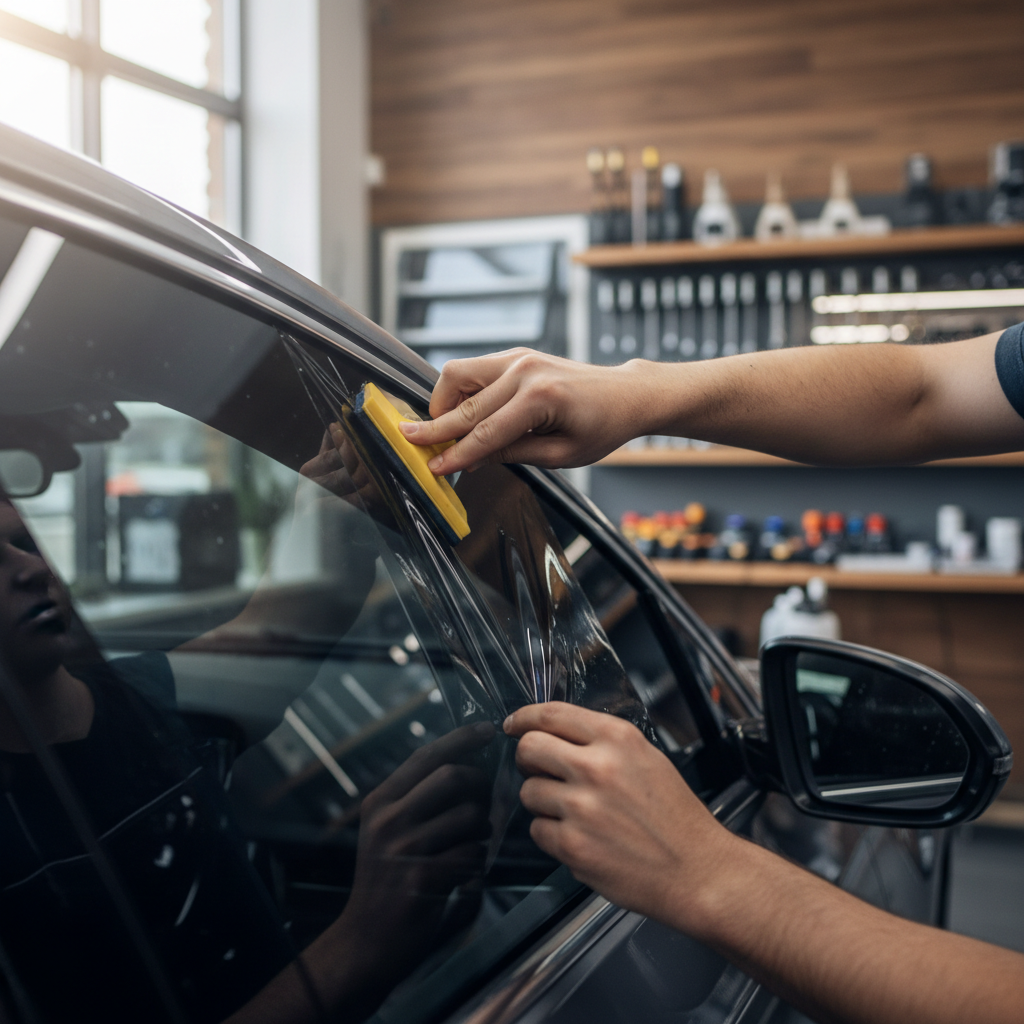
Window tinting involves applying a thin film to the interior of vehicle windows. This film can vary in color and thickness, providing different levels of shading. While many people choose window tinting for aesthetic reasons, it also offers practical benefits such as reducing glare and protecting interiors from UV radiation.
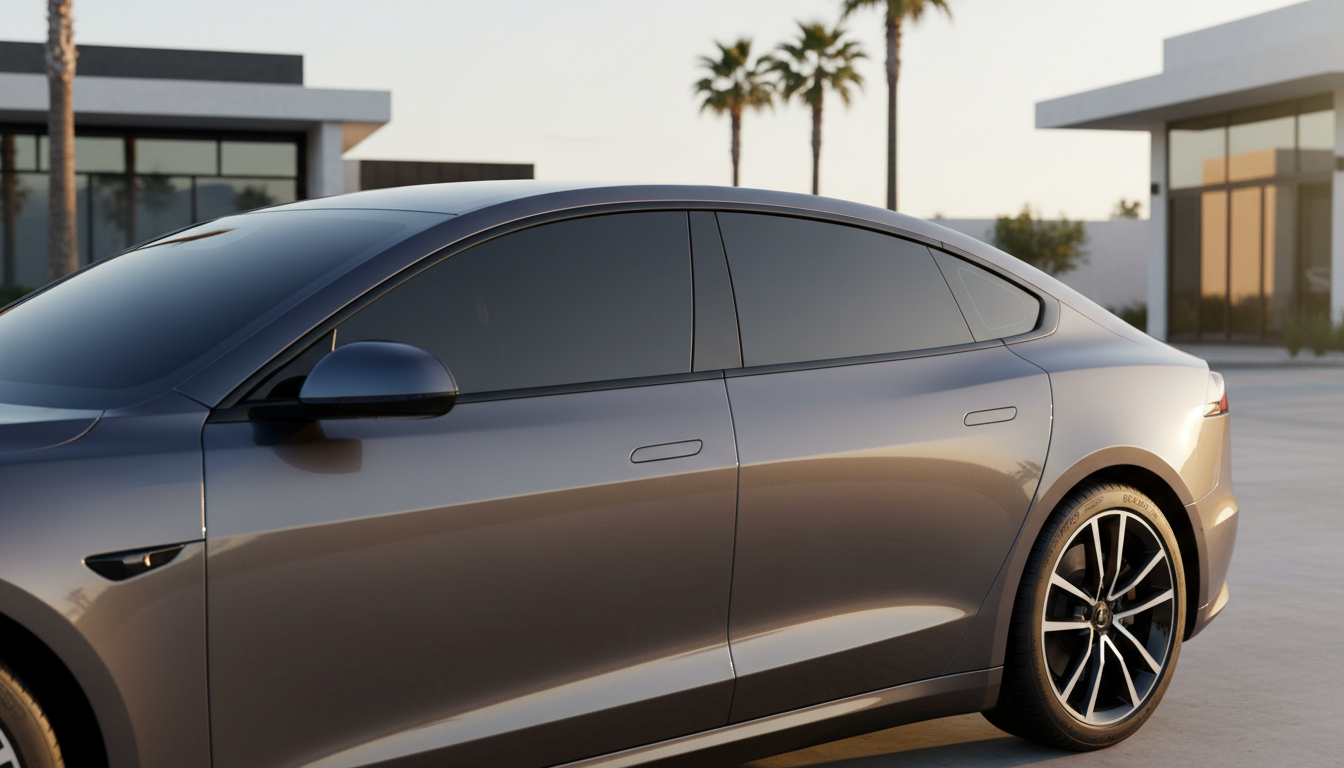
An often-overlooked advantage of window tinting is its potential to improve a vehicle's fuel efficiency. By understanding the scientific principles behind window tinting, we can explore how it contributes to better fuel economy.
The Science Behind Heat Reduction
Window tinting works by blocking a significant amount of solar heat from entering the vehicle. The materials used in tint films are designed to reflect or absorb sunlight, thereby reducing the interior temperature of the car. This reduction in heat load means that the air conditioning system doesn't have to work as hard to maintain a comfortable temperature inside the vehicle.
By alleviating the strain on the air conditioning system, window tinting helps in reducing fuel consumption. Studies have shown that air conditioners can increase fuel consumption by up to 20% in hot weather. Thus, the less your air conditioning system runs, the more fuel you save.
Energy Savings and Environmental Impact
Improved fuel efficiency not only benefits your wallet but also has a positive impact on the environment. Reduced fuel consumption leads to lower emissions, contributing to a decrease in your carbon footprint. This is an essential consideration for those looking to make environmentally friendly choices.

Window tinting is a simple yet effective way to contribute to energy savings and reduce greenhouse gas emissions. With more vehicles on the road, even small improvements in fuel efficiency can have a substantial cumulative effect.
Choosing the Right Tint for Efficiency
Not all window tints are created equal, and the level of efficiency you'll gain depends on the type of tint used. Here are some factors to consider when selecting a window tint for improved fuel efficiency:
- Solar Energy Rejection: Look for tints with high solar energy rejection rates to maximize heat reduction.
- UV Protection: Tints that block UV rays can prevent interior damage and reduce heat buildup.
- Quality and Durability: Invest in high-quality tints that offer durability to ensure long-term benefits.
Conclusion: A Smart Investment
Incorporating window tinting into your vehicle is a smart investment that pays off in multiple ways. Not only does it improve the aesthetic appeal and comfort of your car, but it also enhances fuel efficiency by reducing the workload on your air conditioning system.
By choosing the right window tint, you can enjoy a cooler, more comfortable ride while contributing to energy savings and environmental preservation. Consider window tinting as a viable option in your efforts to achieve better fuel economy.