How Window Tint Can Boost Your Car's Fuel Efficiency


Understanding the Basics of Window Tinting
Window tinting is a popular modification for vehicles, offering numerous benefits that extend beyond aesthetics. By applying a thin, transparent film to your car's windows, you can enhance privacy, reduce glare, and even improve fuel efficiency. While many drivers consider window tinting primarily for its sleek appearance, its impact on fuel savings is a significant advantage that's often overlooked.
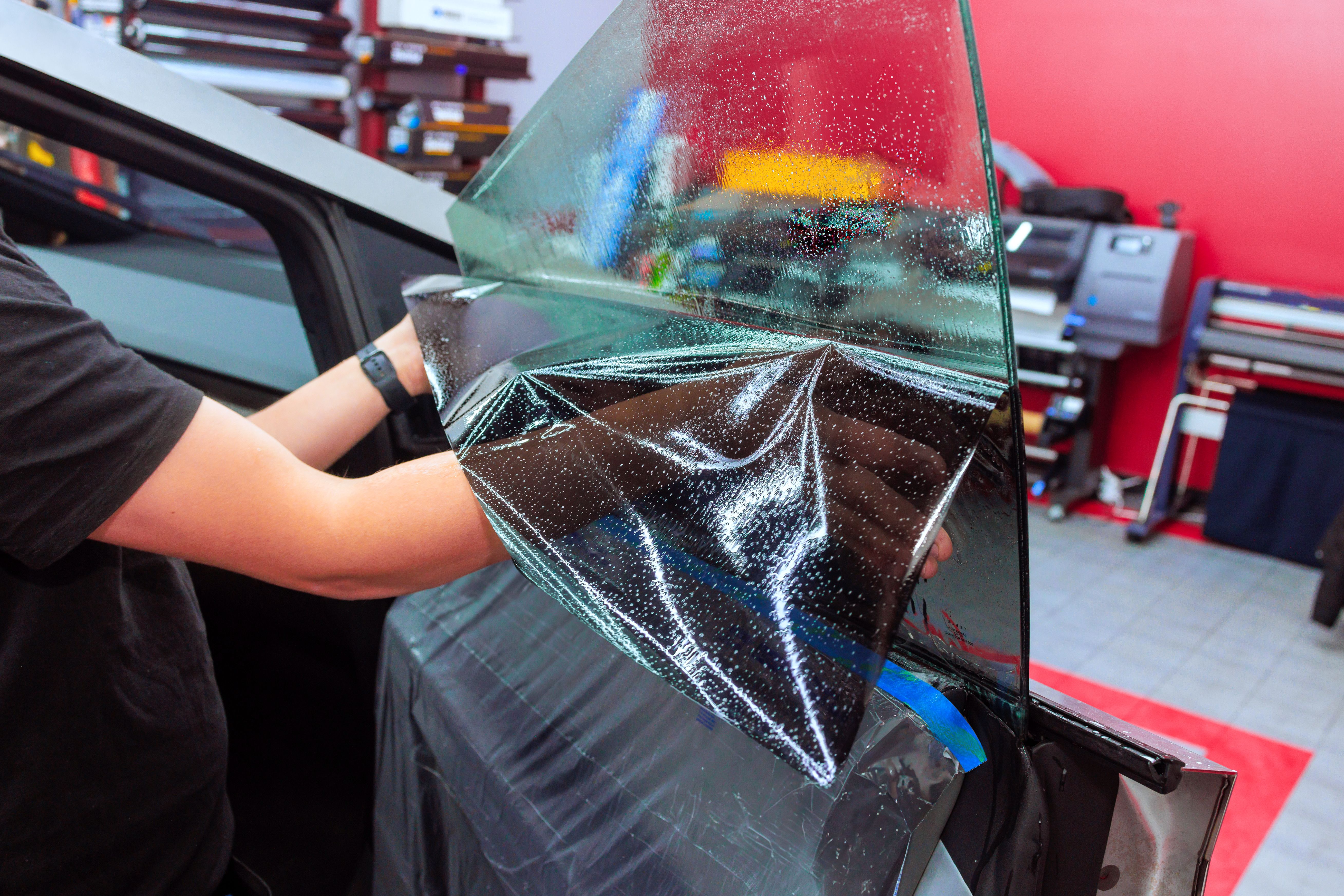
How Window Tinting Affects Fuel Efficiency
The primary way window tinting boosts your car's fuel efficiency is by reducing the amount of heat entering the vehicle. Tinted windows can block up to 99% of harmful UV rays and a significant percentage of solar heat. This reduction in heat means that your car's interior stays cooler, reducing the reliance on air conditioning systems.
By decreasing the workload on your car's air conditioning, you're using less energy overall. This leads to improved fuel economy because the engine doesn't have to work as hard to power the AC system. The less energy consumed by auxiliary systems, the more fuel-efficient your vehicle becomes.
Comparing Different Types of Window Tints
Not all window tints are created equal, and choosing the right type can influence the level of fuel efficiency you achieve. Here are some common types of window tints:
- Dyed Window Tint: Cost-effective and provides basic UV protection but offers limited heat reduction.
- Metalized Window Tint: Provides better heat reduction and UV protection but can interfere with electronic signals.
- Ceramic Window Tint: Offers superior heat reduction and UV protection without signal interference but comes at a higher cost.
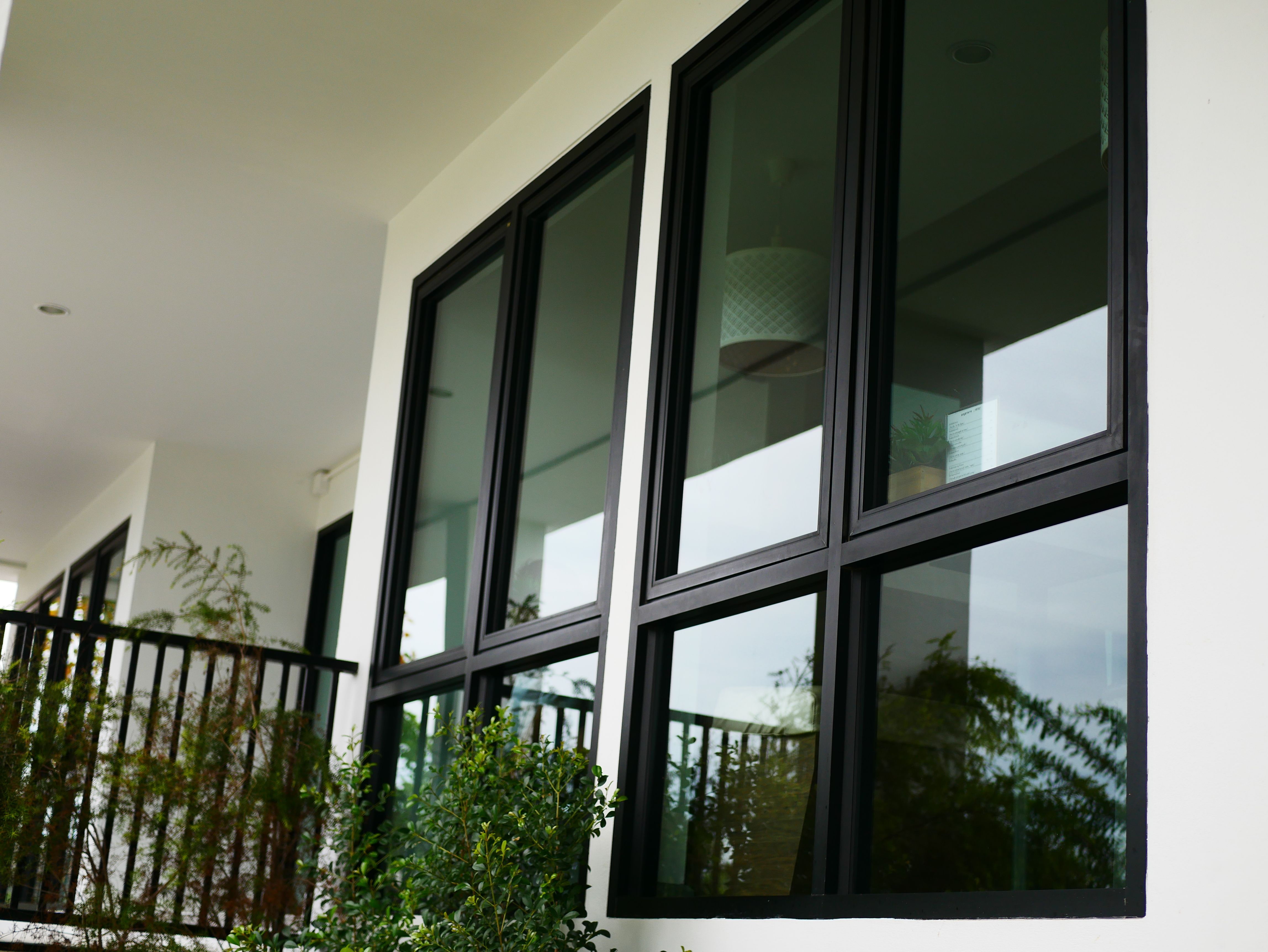
Considerations for Choosing Window Tint
When selecting a window tint for fuel efficiency purposes, consider the climate in which you drive most frequently. In hotter climates, a film with higher heat rejection properties will provide more noticeable benefits. Additionally, check local laws regarding window tinting to ensure your choice complies with regulations.
Investing in a high-quality tint might involve a higher upfront cost but can result in long-term savings through reduced fuel consumption. Always weigh the initial investment against potential fuel savings and comfort improvements.
Additional Benefits of Window Tinting
Beyond improving fuel efficiency, window tinting offers other valuable benefits. It increases privacy and security by shielding the view into your vehicle. Additionally, it protects your interior from fading and cracking caused by prolonged sun exposure. This can enhance your car's resale value over time.
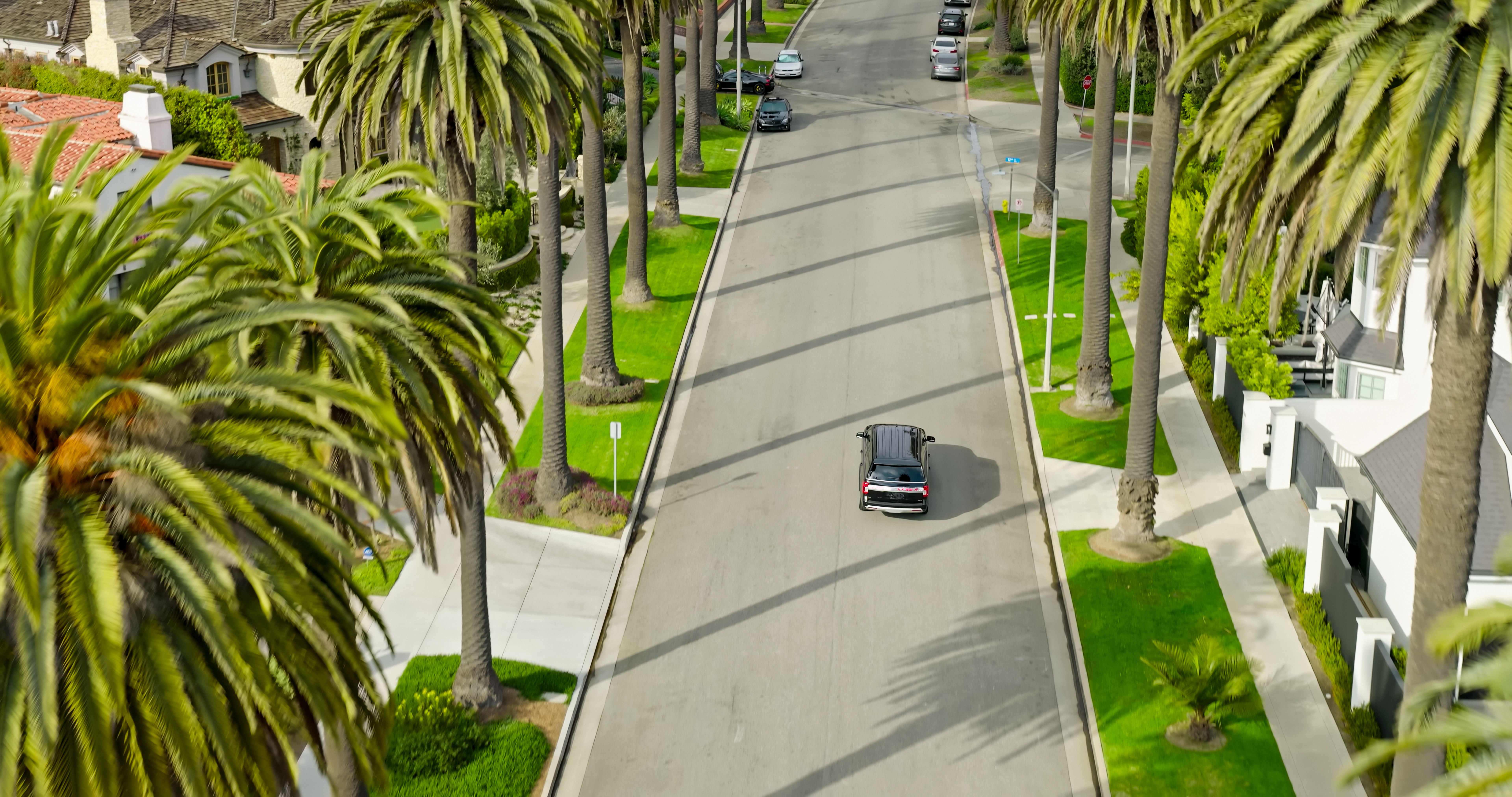
Installation and Maintenance Tips
For optimal results, professional installation is recommended. Skilled technicians can ensure that the tint is applied smoothly without bubbles or creases. Proper installation maximizes the effectiveness of the tint in blocking heat and UV rays.
Maintenance is straightforward; simply clean your tinted windows with a mild soapy solution and avoid using abrasive materials or ammonia-based cleaners, which can damage the film.
The Bottom Line
Window tinting serves more than just an aesthetic purpose—it is an investment in comfort and efficiency. By reducing heat intake and minimizing air conditioning use, window tinting can help you achieve better fuel economy. Consider it a smart upgrade for both your vehicle's performance and your driving experience.