Exploring the Latest Automotive Tint Technology Developments


Introduction to Automotive Tint Technology
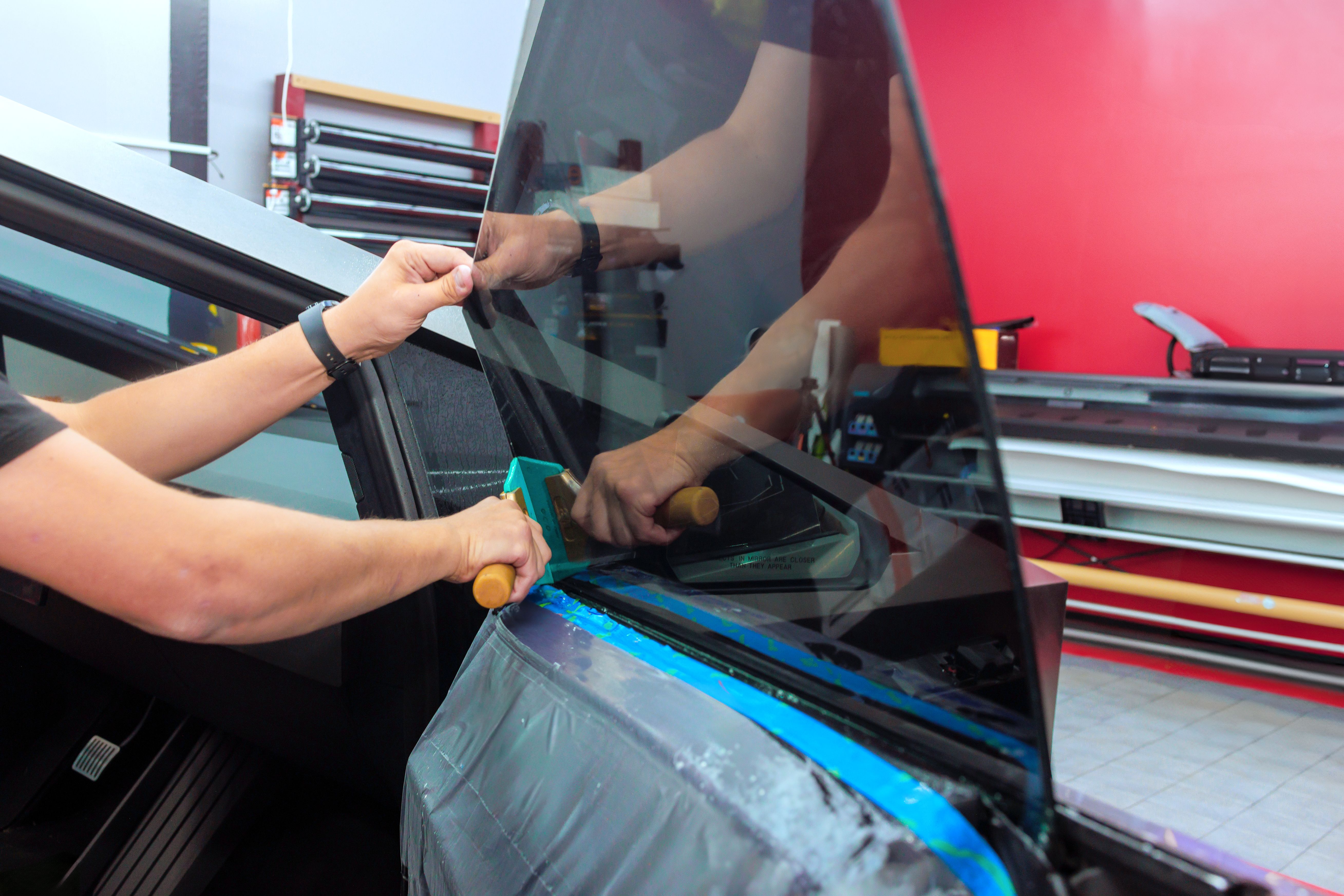
The world of automotive tint technology has come a long way from simple dyed films. Today, advancements in materials and manufacturing processes have introduced innovative solutions that offer more than just privacy and style. These cutting-edge developments are enhancing comfort, protecting interiors, and even improving driving safety.
Enhanced UV Protection
One of the key advancements in automotive tint technology is the improved capacity to block harmful UV rays. Modern tints can block up to 99% of UV radiation, significantly reducing the risk of skin damage and protecting your car’s interior from fading and cracking. This makes it an essential upgrade for those seeking both comfort and longevity for their vehicle.
Types of UV Blocking Tints
There are several types of UV blocking tints available, each with unique properties:
- Ceramic Tints: Known for their excellent heat rejection and clarity.
- Metalized Tints: Offer durability and effective UV protection.
- Carbon Tints: Provide a matte finish with no interference in electronic signals.
Advancements in Heat Rejection
Another significant development is in heat rejection. Advanced tints now integrate nanoparticles that reflect and dissipate heat, maintaining cooler interior temperatures. This not only enhances passenger comfort but also reduces the load on air conditioning systems, leading to better fuel efficiency.
Energy Efficiency Benefits
By reducing heat inside the car, these tints contribute to energy conservation. A cooler interior requires less air conditioning, which in turn, improves fuel economy. This makes advanced tint technology an eco-friendly choice for environmentally conscious drivers.
Smart Tints and Adaptive Technologies
Emerging smart tint technologies are revolutionizing the industry by allowing drivers to adjust the tint level with the push of a button. These adaptive tints use electrochromic materials that change opacity based on electrical input, providing customizable privacy and light control.
Applications of Smart Tints
Smart tints are not only a luxurious feature but also offer practical benefits. They can be programmed to automatically adjust based on external light conditions, improving visibility and reducing glare for safer driving.
Conclusion
The latest developments in automotive tint technology are driven by a combination of functionality, safety, and aesthetics. With options ranging from high-performance UV blockers to innovative smart tints, there is a solution to meet every driver’s needs. As technology continues to evolve, the future of automotive tints promises even greater advancements, ensuring vehicles remain comfortable, safe, and stylish.