A Complete Guide to Choosing the Right Window Tint for Your Car

Understanding the Benefits of Window Tinting
Window tinting is more than just a stylish upgrade for your car—it's an investment in comfort and safety. By reducing glare, it enhances visibility and decreases eye strain. Tinted windows can also block up to 99% of harmful UV rays, protecting your skin and preventing the interior of your car from fading.
Moreover, window tinting helps to maintain a cooler interior temperature, reducing the need for air conditioning and ultimately saving on fuel consumption. Increased privacy is another benefit, as it makes it harder for prying eyes to see inside your vehicle.
Types of Window Tint
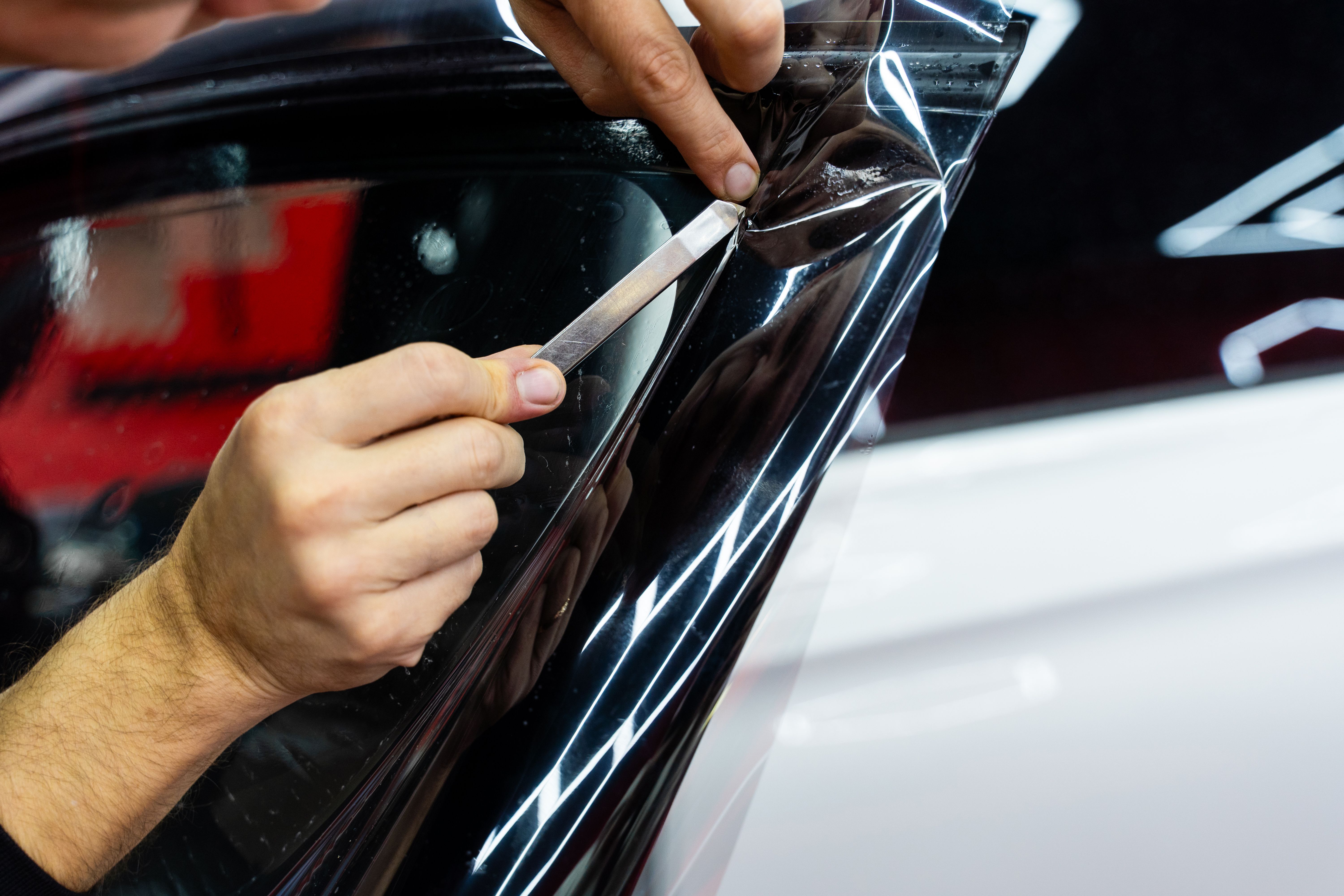
Dyed Window Tint
Dyed window tint is one of the most cost-effective options available. It works by absorbing solar heat, preventing some of the heat from entering your vehicle. While it provides good visibility and a non-reflective finish, it may fade over time.
Metalized Window Tint
Metalized window tint contains tiny metallic particles that reflect heat and UV rays. This type is known for its durability and resistance to fading. However, it can interfere with electronic devices, such as GPS and cell phones.
Carbon Window Tint
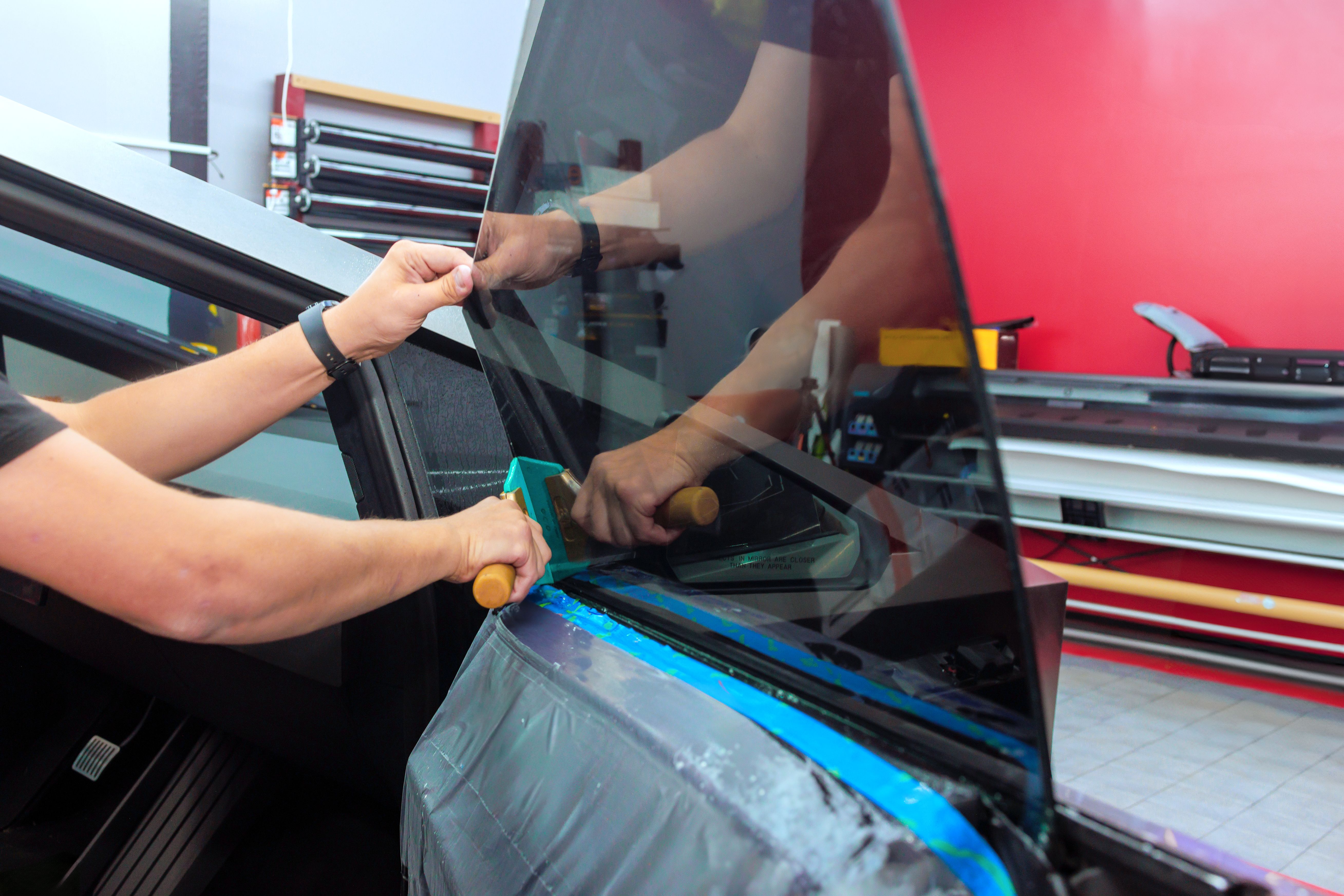
Carbon tint offers a matte finish and excellent UV protection. It does not fade over time and provides a high level of heat reduction. Additionally, it does not interfere with electronic signals.
Ceramic Window Tint
Ceramic tint is the premium option offering superior performance. It blocks both UV and infrared rays, significantly reducing heat inside the car. It is also shatter-proof, adding an extra layer of safety.
Choosing the Right Tint Percentage
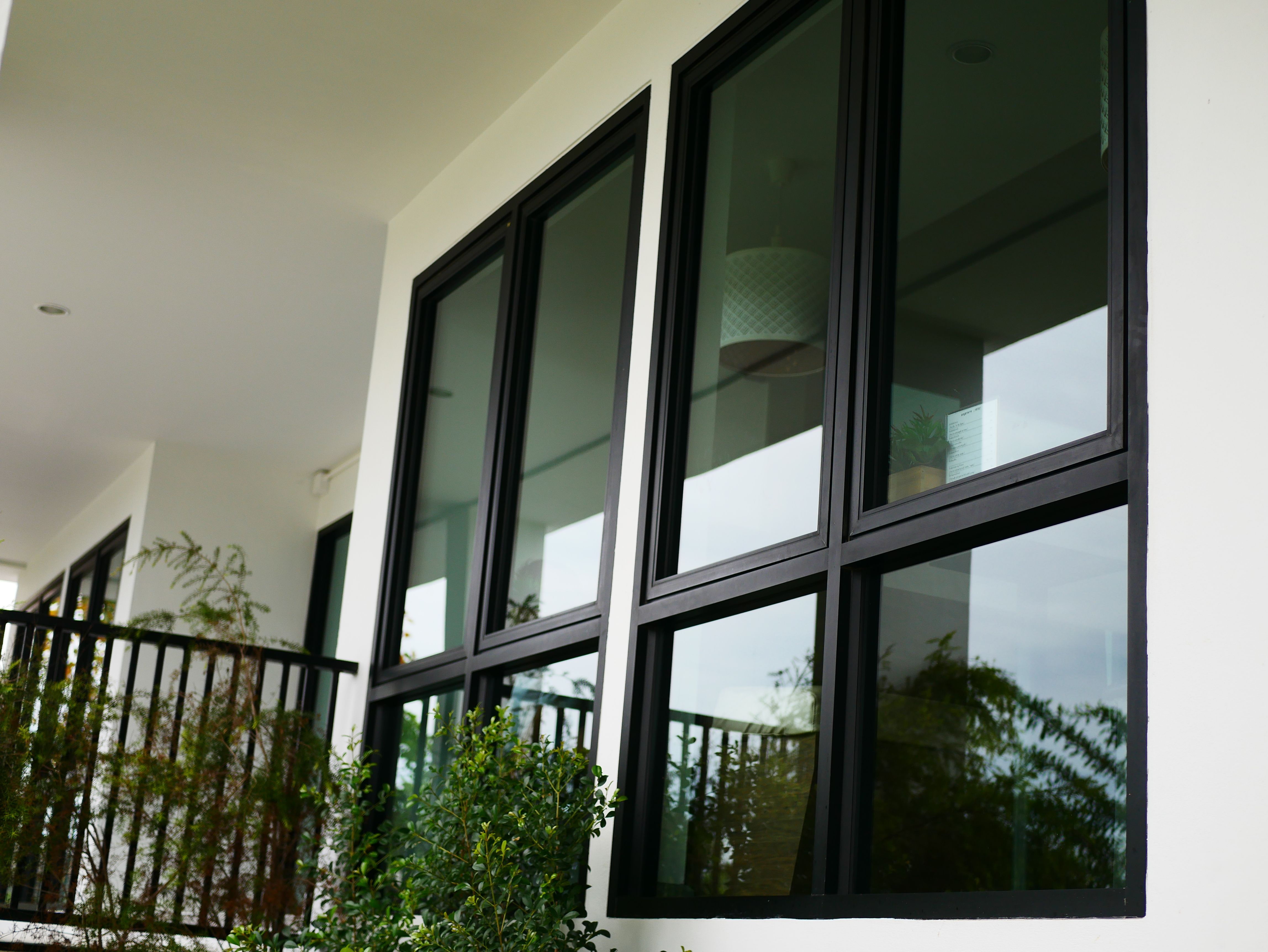
The tint percentage determines how much light is allowed into your car. A lower percentage means darker tint. It's important to check local laws, as they vary regarding the legal limits for tint darkness.
For maximum heat reduction, a darker tint is preferable, but if visibility is a priority, a lighter tint might be more suitable. Consider your driving conditions and personal preferences when deciding on the tint percentage.
Professional Installation vs. DIY
While DIY kits are available, professional installation is often recommended for the best results. Professionals ensure a perfect fit and finish, minimizing the risk of bubbles or peeling. They also typically offer warranties on their work.
If you choose to go the DIY route, make sure to follow the instructions carefully and purchase quality materials. The key to a successful installation is patience and precision.
Maintaining Your Window Tint
Proper maintenance extends the life of your window tint. Avoid using harsh chemicals or abrasive materials when cleaning. Instead, use a mild soap and a soft cloth.
It's also advisable to wait a few days after installation before rolling down your windows to ensure the tint adheres properly. Regular cleaning and care will keep your tint looking new for years.